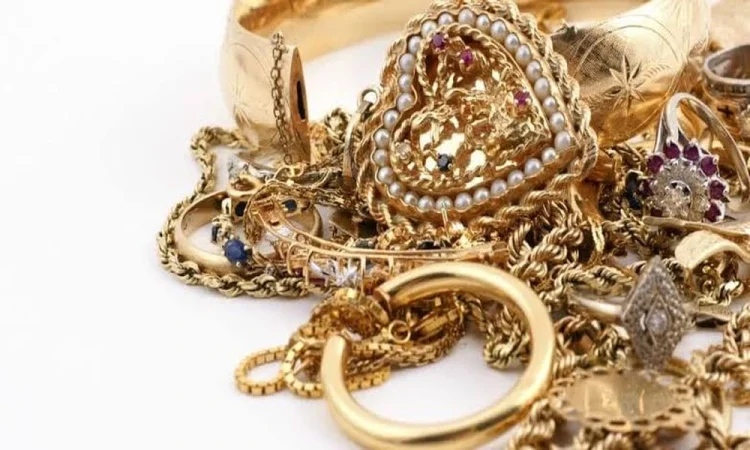
A family ring, necklace, or bracelet can be irreplaceable and worth significantly more than its weight in gold. At the same time, lots of vintage pieces of jewelry may have very little resale value other than the precious metal used in them. This raises the question: should I sell estate jewelry as fine jewelry or at melt value?
When deciding where to sell gold near me, one must take into account the piece of jewelry itself along with the following variables: karats, weight, gems, condition, design, and the brand name. A buyer should be able to give a detailed report on how they considered these variables.
Estate Jewelry: What Is it, and Why Does Its Value Differ?
The term estate jewelry refers to jewelry that has been previously owned. It might come from an inheritance, an estate sale, a personal collection, or another previous owner.
Age doesn’t mean it’s necessarily valuable. A decades-old ring can be very appealing due to its craftsmanship/design, while another vintage piece can be valued for its metal.
Factors that can influence its value include:
- Gold or platinum purity
- Gemstone quality and type
- Condition
- Brand or maker
- Rarity
- Craftsmanship
- Current demand
According to GIA, jewelry valuation can be influenced by such factors as quality, availability, desirability, and fashion.
How Is Melt Value Calculated?
Melt value is primarily determined by the precious metal within the item. For gold jewelry, the purity is critical since the karat indicates the percentage of gold in the alloy.
| Gold purity | Approx. pure gold content |
|---|---|
| 10K | 41.7% |
| 14K | 58.3% |
| 18K | 75% |
| 22K | 91.7% |
| 24K | 100% |
The basic concept is simple: the amount of pure gold is estimated from the item’s metal weight and purity, then considered against the current gold market price.
However, the gross weight of the piece, which can be seen on the scale, is not necessarily the gold weight since gems, settings, clasps, etc., might contribute to the weight. A buyer has to take into account the metal weight and estimate the melt value.
When Should You Sell It as Fine Jewelry?
A complete piece might be worthy of closer consideration if it has something in it that makes a person want to own this jewelry.
An excellently crafted vintage ring with an appealing design, quality gemstone, maker’s name, or unique technique of manufacture may prove valuable for something else besides the content of gold. The condition counts too. An undamaged piece might attract another purchaser, whereas damaged or incomplete items fail to do this.
For example, an 18K gold ring with a unique vintage design and a high-quality gemstone. The metal has some melt value; however, selling it as scrap will not take into account the value of its finished design.
The key question is simple: Is someone likely to want this piece as jewelry, rather than simply for its metal?
When Is Melt Value the More Practical Option?
Melt value can prove more reasonable when a piece lacks demand as finished jewelry.
This could involve broken chains, severely damaged pieces, those without any stones, mismatched earrings, or ordinary jewelry pieces that are not in high demand. In such cases, the precious metals content may be the main reason for a buyer’s interest.
However, this does not mean that all outdated jewelry must be melted. An old-fashioned design to some can be a sign of vintage jewelry to others. In any case, it is always better to examine the jewelry item before considering it as only being valuable in terms of its metal.
Should You Get an Appraisal Before Selling?
An independent jewelry appraisal could come in handy in the case of jewelry items that may be valuable in gemstones, design, collectible, or antique value.
An appraisal describes and estimates the value of property based on the research and experience of the appraiser. GIA recommends using an independent appraiser for jewelry valuation and notes that an appraisal should include a quality analysis, description, and valuation.
Remember that an appraisal does not equal the buyer’s offer necessarily. There are different types of appraisals used to determine different types of values, so make sure to ask about the type of value the report covers.
What Should You Ask Before Accepting an Offer?
If you sell gold near me is the phrase you use when searching for nearby buyers, don’t stop at the first advertised offer. Ask how the jewelry will actually be evaluated.
- What karat is the gold?
- What is the actual precious-metal weight?
- Are gemstones being considered separately?
- Is the offer based on melt value or resale value?
- How was the offer calculated?
- Are there any deductions?
- Is the piece being purchased intact or primarily for its metal?
A transparent evaluation should make these points understandable rather than leaving you to guess how the number was reached.
A Simple Decision Framework Before You Sell
Start with three steps: evaluate, analyze, and finally decide.
If there is any value in terms of design, gems, rarity, workmanship, or anything else, appraise its value based on jewelry that has been made from it. On the other hand, if it is broken, ordinary, or worth only for its metal, evaluate its melting price.
The crucial step is not whether to sell it or melt it right away. It is knowing what it really is. Jewelry from estates may have value in the metal, materials, design, or all of them. Knowing the difference could help you make a better decision when selling it.