Key Takeaways
- Precision handling and vibration control are non-negotiable when transporting sensitive microchip manufacturing equipment.
- Temperature and humidity monitoring during transit prevent environmental damage to delicate semiconductor components.
- Strategic planning and local expertise are essential for navigating the complex regulatory landscape of high-tech shipping.
Introduction
In the modern industrial landscape, the demand for precision and reliability has never been higher, particularly within the technology sector. As businesses look to expand their global footprint, the ability to move highly sensitive components safely becomes a competitive advantage. This is especially true for companies dealing with microchips and high-value electronic components, where the standard of care far exceeds that of general freight. Successfully managing semiconductor logistics requires a blend of specialised equipment, rigorous protocols, and a deep understanding of environmental variables. For the reader, understanding these complexities is the first step toward ensuring that valuable assets are protected throughout their journey across international borders.
The High-Stakes World of Electronics
The electronics industry is the backbone of the modern global economy, and the movement of its components requires an unparalleled level of precision. Managing semiconductor logistics involves far more than just moving boxes from one point to another; it requires a deep understanding of how fragile and expensive these items truly are. Even a minor bump or a slight shift in temperature can ruin a shipment worth millions of dollars. As the global demand for microchips continues to grow, the companies that can move these assets safely and efficiently are becoming the most critical links in the supply chain. These providers must adhere to strict handling protocols to ensure that no electrostatic discharge or mechanical shock compromises the integrity of the wafers or finished chips.
Managing Complexity of Large-Scale Tech Moves
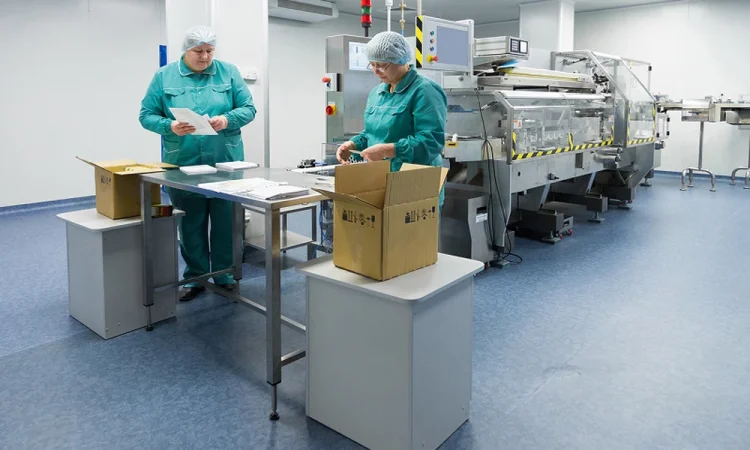
When it comes to setting up a new manufacturing facility or moving heavy machinery, general shipping methods are simply not sufficient. This is where project logistics in Singapore becomes essential for the high-tech sector. These specialised services handle the end-to-end movement of oversized, sensitive, and high-value cargo. This includes everything from the initial site survey and route planning to the final installation of the equipment in a cleanroom environment. Because Singapore is a global hub for both shipping and technology, the local infrastructure is perfectly suited to support these complex, multi-stage operations. Professional managers oversee every detail, from heavy-lift cranes to specialised trailers, ensuring that each piece of equipment arrives in the exact sequence required for assembly.
Controlling the Environment During Transit
Semiconductors are incredibly sensitive to environmental factors like moisture and static electricity. Successful semiconductor logistics providers use advanced packaging solutions, such as vacuum-sealed moisture-barrier bags and shock-absorbing mounts. During the journey, sensors are often used to record every bump and every degree of temperature change. This data provides the customer with proof that the equipment remained within its safe operating limits throughout the entire trip. Using such meticulous tracking and protection measures is the only way to guarantee that the hardware will function correctly once it arrives at its destination. Beyond physical protection, these providers often employ real-time monitoring systems that alert managers to any deviations in the environment, allowing for immediate corrective action during transit.
Leveraging Local Expertise and Connectivity
One of the secrets to success in this field is knowing how to navigate the unique logistical landscape of Southeast Asia. Choosing a partner that understands project logistics in Singapore allows businesses to take advantage of the city-state’s world-class port facilities and efficient customs procedures. Local experts know the best routes to avoid traffic congestion and how to coordinate with port authorities for the smooth arrival of oversized loads. This local knowledge reduces the risk of delays and ensures that critical components reach the assembly line exactly when they are needed, keeping production schedules on track. Furthermore, having a partner on the ground allows for faster resolution of any administrative hurdles that might arise during the importation of high-tech equipment.
Conclusion
The world of high-tech manufacturing moves at a lightning pace, and the logistics systems behind it must keep up. By combining specialised technical knowledge with a commitment to precision, companies can successfully manage the most delicate of shipments. Whether it is moving a single pallet of microchips or an entire factory’s worth of equipment, the right approach to semiconductor logistics is the key to maintaining a competitive edge.
Contact Sin Chew Woodpaq to secure your high-tech supply chain with expert logistics solutions.