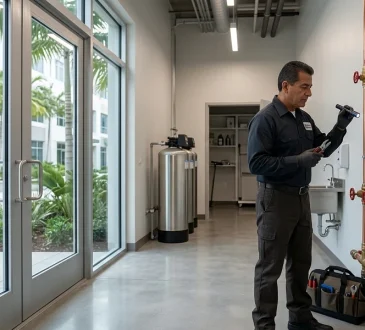
Managing spare parts inventory is an important part of supporting maintenance teams in different industries. By using a reliable system to track and organize parts, companies can keep their equipment running smoothly and reduce the time it takes to make repairs.
Having an organized parts inventory is a key part of any maintenance plan. It helps ensure that the right parts are ready when needed. Managing parts wisely also helps cut costs, boost productivity, and keep customers satisfied by reducing downtime and making maintenance more efficient.
What Is Spare Parts Inventory Management?
Spare parts inventory management is the process of organizing, storing, and keeping track of the parts and supplies needed to repair and maintain equipment. It plays a big role in an organization’s overall maintenance and equipment management plan. The main goal is to make sure the needed parts are available in the right amount, while keeping storage costs low and avoiding waste.
Key Parts of Spare Parts Inventory Management
Managing spare parts inventory effectively includes several important areas:
- Inventory Planning: This involves predicting demand, setting proper inventory levels, and knowing when to reorder. These steps depend on how often parts are used, how important they are, and how long it takes to get them.
- Procurement and Sourcing: It’s important to find dependable suppliers, agree on good terms, and make sure parts arrive on time.
- Storage and Organization: Keeping parts stored properly helps with fast access and better use of space. This includes setting up a logical storage system, using proper storage tools, and keeping records up to date.
- Inventory Control: A strong system to manage inventory helps track parts, monitor stock levels, and avoid running out or having too much on hand. This can be done through regular checks, automated tracking tools, and analyzing data.
Best Practices for Spare Parts Inventory Management
o get the best results from managing spare parts, companies should follow these basic practices:
- Sort parts by how often they’re used and how important they are
- Keep inventory records accurate and up to date
- Use a dependable system to control inventory
- Encourage teamwork between maintenance, purchasing, and inventory staff
- Review inventory regularly to find outdated or extra parts
- Build strong relationships with suppliers to make sure parts are available when needed
By sticking to these practices and improving their system over time, companies can reduce downtime, make maintenance smoother, and lower their costs.
Why Good Spare Parts Management Is Essential
Managing spare parts well is important for keeping operations running, ensuring equipment works reliably, and keeping business costs under control. A well-run spare parts system supports production, helps maintain quality, and keeps customers satisfied.
1. Less Downtime and Better Equipment Availability
A major benefit of good spare parts management is less downtime. When a machine breaks, having the needed parts ready makes a big difference in how quickly it can be fixed.
Quick access to parts lets maintenance teams handle problems right away, keeping equipment running. This improves output and reduces losses from delays or emergency repairs.
2. Lower Maintenance Costs and Less Inventory Waste
Good inventory management helps companies keep maintenance costs under control and avoid tying up too much money in unused parts. By tracking parts use and keeping accurate records, businesses can avoid buying too much and wasting space or money.
This also helps identify parts that are no longer needed, which reduces the chance of writing off old or unused stock and losing money.
3. Following Industry Rules and Quality Standards
In some industries, like aerospace or defense, managing spare parts properly is required by regulations to ensure safety and performance.
Not following rules can lead to fines or serious issues that damage a company’s reputation. In manufacturing, proper spare parts management is also needed to keep quality high and maintain certifications. Following proven practices helps companies stay in compliance and stay competitive.
4. Better Supply Chain and Vendor Relationships
Good relationships with suppliers and strong purchasing practices help reduce wait times, prevent parts shortages, and make the supply chain more dependable.
It also improves teamwork between departments like maintenance, purchasing, and inventory. This leads to smoother processes and better communication. Strong vendor ties also help with getting better prices and ensuring reliable delivery of quality parts.
5. Better Decisions and Longer Equipment Life
Since equipment life depends on good maintenance, managing parts well can help extend how long machines last. By tracking how parts are used and how often they fail, companies can better understand how their machines are performing.
This information helps in making smarter decisions about repairs, replacements, and spending. It allows companies to get more value from their maintenance budget and keep their equipment working longer, which helps the business succeed in the long run.
Spare parts management is key to helping a company operate smoothly and stay financially strong. Using a proactive and informed approach helps companies improve their systems, keep better track of inventory, and maintain equipment more effectively.
How CMMS Tools Help with Spare Parts Management
Computerized Maintenance Management Systems (CMMS) are useful tools that help manage spare parts more efficiently. These systems offer several helpful features:
- Better Data and Visibility: A CMMS keeps all spare parts information in one place, often on a cloud-based platform, so that everyone can see accurate and up-to-date data, no matter where they are.
- Easier Inventory Tracking: Features like barcode scanning and RFID make it easier to track inventory, reducing the need for manual checks and helping maintain the right stock levels.
- Smoother Maintenance Coordination: CMMS systems connect spare parts management with maintenance tasks, which helps different teams work together more easily.
- Useful Reports and Analysis: These systems can create detailed reports about inventory performance, helping companies understand trends and make smarter choices about their stock levels.
Using CMMS software can improve spare parts management and make overall maintenance work more efficient.
Making the Most of Spare Parts Management
Managing spare parts inventory effectively is now a key part of modern maintenance strategies. By following proven practices, using helpful technology, and tying parts management into regular maintenance tasks, companies can make their equipment more reliable, reduce delays, keep the right number of parts on hand, and save money.
In a fast-changing business world, investing in a good spare parts and inventory system is not just helpful—it’s necessary for staying competitive and building long-term success.