Key Takeaways
- Effective ventilation prevents the dangerous buildup of carbon monoxide and other toxic vehicle emissions in enclosed spaces.
- Advanced fan systems replace traditional bulky ductwork to save significant overhead space and reduce installation costs.
- Computational simulations ensure that the ventilation layout provides complete coverage and eliminates stagnant air pockets.
Introduction
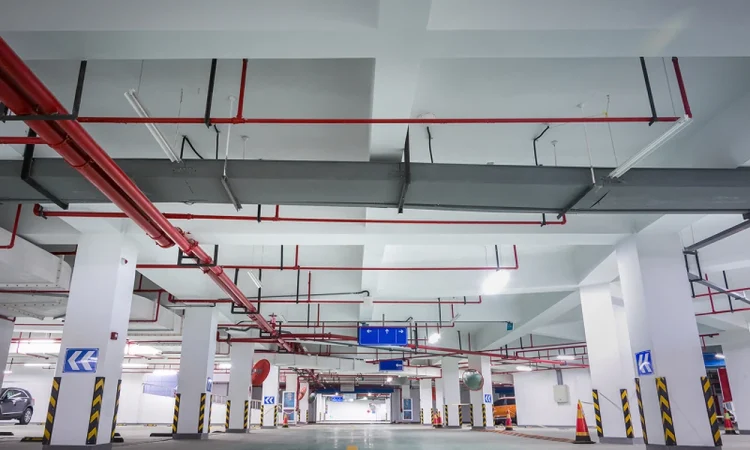
Some underground building design often leads property owners to consider the most efficient ways to manage air quality. One of the most effective solutions available today involves the installation of a car park jet fan system to facilitate constant air movement. Unlike older traditional systems that rely on extensive and heavy ducting, these high-velocity fans move large volumes of air towards exhaust points. This approach not only maintains a fresh environment for drivers and pedestrians but also plays a critical role in emergency situations by controlling smoke movement during a fire.
How Jet Fans Improve Air Quality
The primary function of any car park ventilation strategy is to manage the concentration of pollutants emitted by vehicles. Carbon monoxide is a particular concern in enclosed environments because it is odourless and highly toxic. A well-designed car park jet fan array works by creating a continuous flow of air that pushes these harmful gases towards the main extract fans. Because these fans are strategically positioned, they prevent the formation of “dead zones” where air becomes stagnant, and pollutants reach unsafe levels. This dynamic movement ensures that the air remains breathable even during peak hours when vehicle traffic is at its highest.
The Role of Computational Simulations
Designing an effective ventilation layout requires more than just placing fans at random intervals. Engineers use sophisticated software to perform a CFD thermal analysis, which stands for Computational Fluid Dynamics (CFD). This process allows designers to create a digital twin of the car park to predict exactly how air and heat will move through the space. By simulating different scenarios, such as a vehicle fire or heavy congestion, professionals can verify that the proposed car park jet fan configuration meets all safety regulations. This scientific approach removes the guesswork and ensures that the ventilation system performs reliably under pressure.
Space Saving and Cost Efficiency
One of the greatest advantages of moving away from traditional ducted systems is the physical space saved within the structure. Large metal ducts take up significant head height, which often forces developers to dig deeper or build taller to accommodate them. By utilising small, powerful fans, architects can reduce the total height required for each floor of the car park. This reduction in building materials and excavation work often leads to substantial cost savings. Additionally, these systems are typically easier to maintain because there are no hidden duct interiors to clean or repair over time.
Enhancing Fire Safety and Smoke Control
In the unfortunate event of a fire, the ventilation system becomes the most important safety feature in the building. High-velocity fans are designed to contain smoke within a specific zone, allowing occupants to find exit routes with clear visibility. The CFD thermal mapping helps engineers determine the best placement for fans to prevent smoke from cooling and dropping to the floor level. By keeping the smoke buoyant and directing it towards exhaust shafts, the system provides emergency responders with a clearer path to the seat of the fire. This proactive management of heat and smoke is essential for protecting both the building structure and human life.
Conclusion
Implementing a modern ventilation strategy is essential for any high-density building project that includes underground parking facilities. By combining a powerful car park jet fan network with rigorous testing and simulation, property owners can ensure a safe and comfortable environment for all users. These systems offer a blend of efficiency, safety, and cost-effectiveness that traditional methods simply cannot match. Investing in the right technology and professional oversight ensures that your facility remains compliant with local safety standards while providing peace of mind for everyone who enters.
Contact SHEVS IFT Consultants to ensure your car park ventilation system meets the highest safety standards.