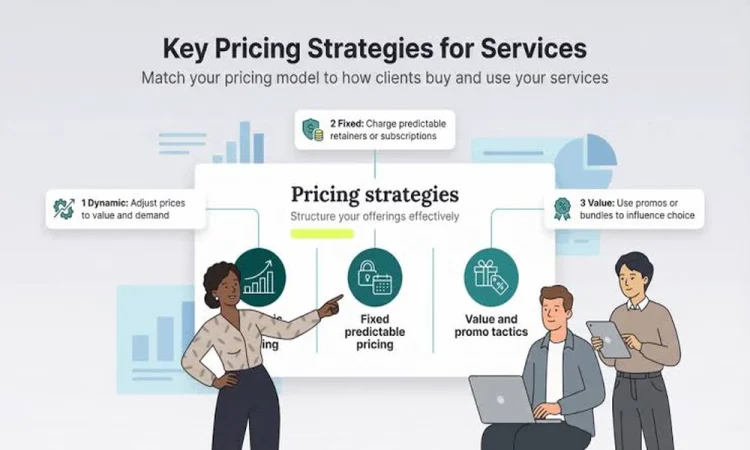
Recognising the Unique Nature of Enterprise Deals
Enterprise customers differ significantly from typical buyers. They purchase in larger volumes, require customised integrations, expect dedicated account support, and often operate under detailed procurement and compliance processes. Because of these differences, companies that apply standard pricing models to enterprise deals frequently miss opportunities to maximise revenue. Strategic enterprise pricing begins with recognising that these relationships are long-term partnerships rather than one-time transactions. The pricing structure should reflect the complexity of implementation, the level of ongoing support required, the risks involved, and the overall value delivered to a large organisation over an extended period. This foundation helps establish pricing that is both competitive and sustainable.
A deeper understanding of how Companies Set Prices Enterprise Customers can also help businesses create more flexible and effective pricing strategies. Rather than relying on a single rate, companies can consider factors such as contract length, purchasing volume, service requirements, implementation complexity, and the customer’s expected return on investment. This approach allows pricing to reflect the specific circumstances of each enterprise relationship while giving buyers clearer justification for the proposed cost. When these factors are evaluated together, businesses can negotiate with greater confidence and avoid underpricing valuable enterprise solutions.
Value-Based Pricing Over Cost-Plus Models
Many companies rely on cost-plus pricing, where they calculate production costs and simply add a profit margin. While this method is straightforward, it often fails to capture the true value delivered to enterprise customers. Large organisations are rarely focused on what a product costs to produce. Instead, they evaluate how much value it creates by improving efficiency, reducing expenses, increasing productivity, or generating additional revenue. For example, software that saves hundreds of employee hours each week provides benefits that extend well beyond its development cost. Companies that adopt value-based pricing align their fees with measurable business outcomes rather than internal expenses. This strategy often supports higher pricing while also strengthening customer confidence in the investment.
Using Tiered Structures to Accommodate Scale
Tiered pricing enables companies to serve enterprise customers of different sizes without creating completely customised pricing for every opportunity. A well-designed tier structure can differentiate offerings based on usage volume, number of users, available features, service levels, or support options. Each pricing tier should represent a meaningful increase in value rather than relying on arbitrary limits. When enterprise buyers can clearly understand what each tier includes and how it matches their operational requirements, the purchasing process becomes more transparent and efficient. Tiered pricing also creates natural opportunities for upselling as customer organisations expand, making it easier to increase revenue while continuing to meet evolving business needs.
Involving Sales and Finance Teams Early
Enterprise pricing decisions should never be made in isolation. Sales teams possess valuable insights into customer expectations, competitive pricing, and the objections prospects raise during negotiations. Finance teams contribute an understanding of profit margins, cost structures, contractual obligations, and long-term financial sustainability. Bringing these departments together early in the pricing process results in strategies that balance customer expectations with business profitability. Regular collaboration and cross-functional reviews also allow companies to adjust pricing in response to changing market conditions, customer feedback, and competitive pressures. This collaborative approach improves decision-making and helps maintain both profitability and customer satisfaction over time.
Conclusion
Strategic enterprise pricing combines market knowledge, value-based decision making, and strong collaboration across departments. Companies that invest time in developing thoughtful pricing strategies build stronger client relationships, improve profitability, and create long-term competitive advantages. By focusing on customer value instead of standardised pricing methods, businesses can establish pricing models that support sustainable growth while meeting the evolving needs of enterprise customers.