Cold chain supply systems handle perishable goods. These goods must stay fresh until delivery. Special care is needed for storage and transport. This makes the logistics cost higher than normal. Cold chains are vital for food and medicine industries. Any failure in handling can cause big losses. Businesses use cold chain solutions to protect product quality. Easypost provides tools to track and manage these delicate shipments. Here is a detailed information about it.
Temperature Controlled Warehousing
Cold warehouses need stable low temperatures. Energy use stays high all year. Heavy insulation keeps products safe. Cooling systems run without breaks. The logistics cost grows with higher energy needs. Skilled staff must watch systems daily. Regular checks prevent costly breakdowns. Easypost helps with quick reporting of warehouse conditions.
Refrigerated Transport
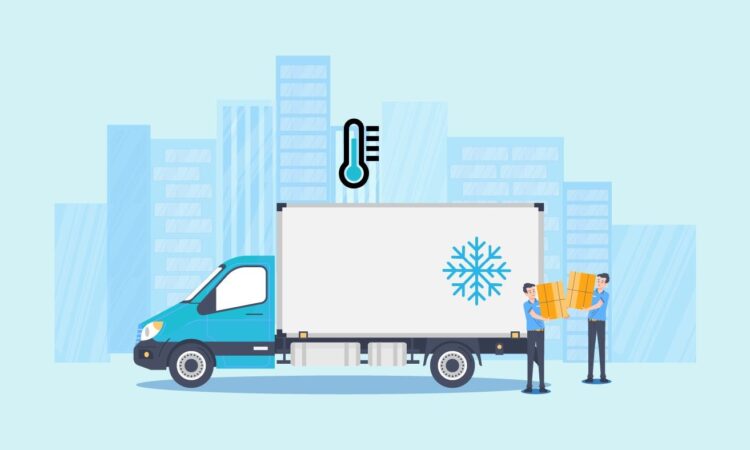
Refrigerated trucks move goods safely. These trucks must stay cold all the time. Fuel use stays higher than normal. Maintenance is frequent to avoid failures. The logistics cost for transport is high due to constant cooling. Drivers take special training for these routes. Delay can spoil goods fast. Transport must be planned with care.
Monitoring Systems
Cold chains use special sensors. These sensors track temperature and humidity. Data is sent in real-time. Monitoring reduces risk of spoilage. The logistics cost rises due to tech investments. Sensors need calibration and upkeep. Alerts help prevent loss during transit. Reliable monitoring keeps supply chain flow intact.
Spoilage Related Risks
Spoilage is the biggest fear in cold chains. Heat exposure can ruin goods fast. Loss means cost for replacement. The logistics cost includes waste disposal fees. Damaged loads harm supplier reputation. Insurance covers some risk but not all. Preventing spoilage costs money every day. This drives greater investment in cold chain care.
Skilled Workforce Needs
Cold chain work needs trained staff. Staff must handle sensitive goods well. Safety rules must be enforced strictly. Training programs add to logistics cost. Skilled labor is paid at higher rates. Staff also manage complex machinery. A single mistake can cause big waste. Human skill is key in cold chains.
Regulatory Compliance
Cold chains follow strict rules. Rules apply to storage and movement. Non-compliance brings fines and delays. Meeting these rules adds to logistics cost in all stages. Official checks may stop shipments until issues end. Rules protect public health and safety. Compliance needs steady investment and planning.
Final Thoughts
Cold chains cost more than regular systems. The logistics cost reflects constant cooling and care. Risks are high without proper systems. Skilled teams and strict rules keep goods safe. Easypost supports better control of cold chain operations. Investing in reliable cold chain steps saves money long term. Quality and safety depend on these costs.