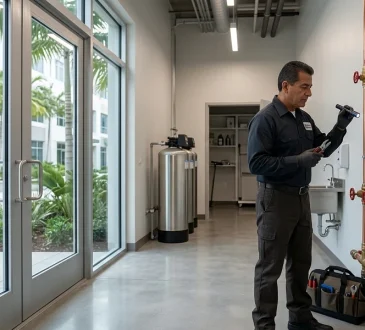
Factories operate with complex machinery, chemicals, and processes that demand strict adherence to safety standards. One misstep can result in accidents, financial losses, or legal penalties. Regulatory compliance ensures that operations meet legal and safety guidelines, but achieving it goes beyond ticking boxes. It requires strategy, vigilance, and continuous improvement. Companies that embed compliance into their daily operations can protect their workforce and optimize efficiency.
Implementing Explosive Regulatory Compliance Protocols
Explosive regulatory compliance focuses on safety measures for materials and processes that are sensitive to heat, friction, or chemical reactions. This involves strict handling procedures, storage guidelines, and detailed documentation. Manufacturers must train employees on recognizing risks and responding to emergencies effectively. Integrating real-time monitoring systems can prevent hazards before they escalate. Companies that invest in these protocols create safer environments and reduce liability, establishing explosive regulatory compliance as a cornerstone of operations.
Staff Training For Consistent Compliance
No compliance strategy works without a well-informed workforce. Regular training ensures that employees understand both general regulations and explosive-specific safety standards. Simulations, drills, and certifications can reinforce learning. Clear communication of policies reduces human error. By fostering a culture of accountability, companies maintain high standards and achieve consistent compliance. Staff become proactive participants in safety rather than passive followers, which strengthens overall operational security.
Leveraging Technology For Explosive Regulatory Compliance
Digital tools can transform how manufacturers manage compliance. Sensors, automated reporting, and analytics platforms help track dangerous materials, detect deviations, and generate real-time alerts. Software can store inspection reports and track regulatory updates, reducing the risk of oversight. Using technology in tandem with manual checks ensures that explosive regulatory compliance is not just theoretical but actionable every day. Advanced systems also provide data for continuous improvement and predictive safety management.
Process Optimization To Support Compliance Goals
Streamlining manufacturing processes is essential for reducing errors that could compromise safety. Workflow audits, hazard mapping, and risk assessments help identify weak points. Simplifying operations can minimize human interaction with hazardous materials and create predictable, repeatable procedures. Companies that optimize processes reduce the likelihood of incidents and enhance efficiency. Process improvements and automation together reinforce explosive regulatory compliance by embedding safety into every step.
Continuous Monitoring And Reporting
Maintaining compliance requires constant vigilance. Regular inspections, audits, and reporting mechanisms ensure that standards are consistently met. Any deviations are documented and addressed immediately, preventing small issues from becoming major hazards. Transparent reporting not only satisfies regulators but also fosters trust among employees and stakeholders. Continuous monitoring closes the loop on safety, making explosive regulatory compliance a living, evolving system rather than a static checklist.
Conclusion
Achieving explosive regulatory compliance in manufacturing is a multifaceted challenge. It requires the right protocols, trained staff, technological support, optimized processes, and ongoing monitoring. Companies that embrace these practices protect their workforce, meet legal obligations, and enhance operational efficiency. Compliance is not a one-time effort but an ongoing commitment. Those who make safety a priority turn regulatory requirements into strategic advantages, ensuring that their manufacturing operations are safe, efficient, and resilient.