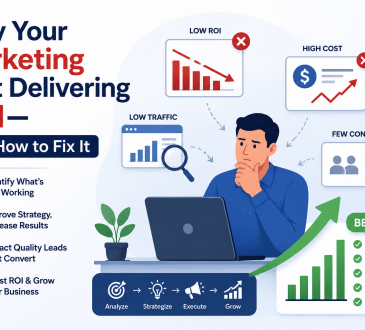
Selecting the right marketing strategy is a crucial decision for any business. With a wide range of options available, choosing the most effective approach can be challenging. A well-planned strategy not only helps in reaching the target audience but also ensures efficient use of resources. Businesses need to carefully evaluate several factors before deciding on the methods they will use to promote their products or services. By picking the right marketing strategy for business growth, companies can align their goals with the right channels, optimise their budgets, and create impactful campaigns that drive sustainable success over time.
Understanding Business Goals
The first step in choosing a marketing strategy is identifying clear business objectives. Whether the goal is to increase brand awareness, generate leads, or boost sales, the strategy should align with these targets.
Having a defined purpose helps businesses focus their efforts and measure results effectively. Without clear goals, marketing activities may lack direction and fail to deliver expected outcomes.
Identifying the Target Audience
Understanding the target audience is essential for any successful marketing plan. Businesses must analyse factors such as age, preferences, behaviour, and purchasing patterns.
When strategies are designed with the audience in mind, they are more likely to produce positive results. Reaching the right people with the right message increases engagement and improves overall effectiveness.
Evaluating Budget and Resources
Budget plays a significant role in determining which marketing strategies can be implemented. Some methods require higher investment, while others can be executed with limited resources.
Businesses should consider both financial and human resources before making decisions. Choosing strategies that match available resources ensures sustainability and prevents overspending.
Choosing the Right Channels
There are multiple marketing channels available, including digital platforms, social media, traditional media, and direct marketing. Each channel has its own advantages and limitations.
Businesses should select channels that best suit their audience and objectives. For example, younger audiences may be more active on social media, while other segments may respond better to traditional methods.
Analyzing Competitor Strategies
Studying competitors can provide valuable insights into what works in a particular industry. By observing successful campaigns and identifying gaps, businesses can refine their own strategies.
However, it is important to maintain originality and not rely entirely on competitor approaches. A unique strategy helps a brand stand out in the market.
Measuring and Adapting Strategies
An effective marketing strategy is not static. Businesses must continuously monitor performance and make adjustments when needed. Using data and analytics helps in understanding what is working and what needs improvement.
Flexibility allows businesses to respond to changing market conditions and customer preferences. Regular evaluation ensures that the strategy remains relevant and effective over time.
Conclusion
Choosing the right marketing strategy requires careful planning and consideration of multiple factors. By aligning goals, understanding the audience, managing resources, and staying adaptable, businesses can develop effective strategies that drive growth. A thoughtful approach not only improves results but also builds a strong foundation for long-term success.