Is bottle size important?
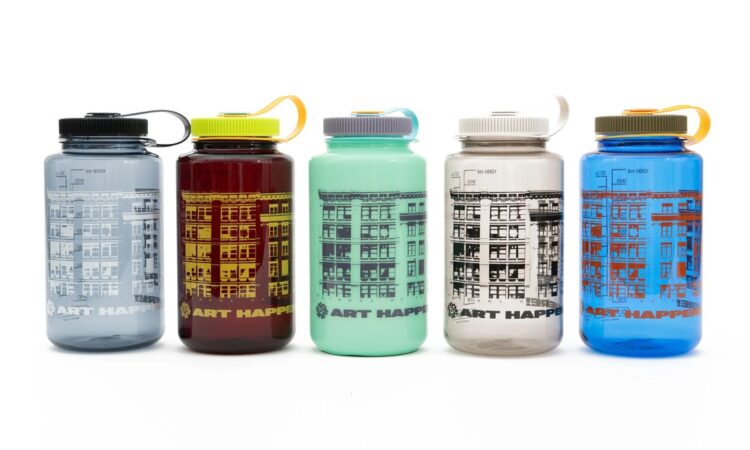
Vessel size shapes drinking behaviour in practical ways rather than coincidentally. Every refill interrupts a work call, commute, or training session. Those interruptions add friction, and friction reduces how consistently the habit holds across a full day. Nalgene Water Bottles address this through size formats that match different daily routines without forcing constant refill stops that break momentum. A larger vessel kept within reach prompts more frequent passive drinking simply because it is present and visible. Smaller vessels, while portable, create a gap between availability and intake that compounds across hours. It is about how a vessel’s physical presence either supports or interrupts a person’s daily routine, not their intention. Treating size as a structural variable changes the consistency of hydration habits across a full day.
Best water bottle size
There is no single correct size because daily routines are inconsistent. The right format depends on the hours between reliable refill opportunities, physical demand across the day, and whether the bottle is carried or kept stationary at a fixed point.
- A larger format suits long uninterrupted work blocks, extended outdoor activity, or commutes where refill access is inconsistent.
- A mid-range format works for routines with regular water station access, shorter activity windows, or carry situations where bag weight distribution matters.
Selecting without accounting for these variables produces a vessel that empties too quickly or adds unnecessary bulk. A lighter option would serve just as well without compromises to daily intake adequacy.
Drinking frequency by size
Drinking frequency is less a conscious decision and more a response to environmental cues. A bottle in direct sightline prompts use. One buried in a bag does not generate the same response consistently across a day. Size intersects with this directly. A larger vessel visible on a desk or gym bench creates a persistent visual prompt that a smaller tucked-away bottle does not replicate. The remaining volume visible through graduated markings adds a secondary cue; seeing less than half remaining prompts a drink before thirst registers. That passive prompt structure makes size relevant to drinking frequency, not just total capacity. The bottle triggers without conscious effort from the person carrying it throughout the day.
Daily routine and size matching
Matching bottle size to routine structure produces more consistent hydration outcomes than selecting by preference or habit alone.
- Desk-based work spanning six or more hours benefits from a larger format that reduces refill interruptions during concentrated work blocks without active intake monitoring.
- Gym and training sessions lasting ninety minutes or more need a format large enough to cover fluid loss across the full session. This is without a mid-workout refill, which disrupts training rhythm.
- Short commutes with accessible refill points at the destination suit a mid-range format, keeping carry weight low without compromising intake across the transit period.
- Mixed days combining desk work, commuting, and evening activity benefit from a larger format covering the full duration. This is without a vessel swap between different contexts.
Size is the most important variable in daily hydration habit formation. Using a vessel matched to the day prevents the two most common failure points: running out of fluid at the wrong time and accumulating so much friction that intake falls short without becoming apparent for several hours.